
Algal Bloom Tracker
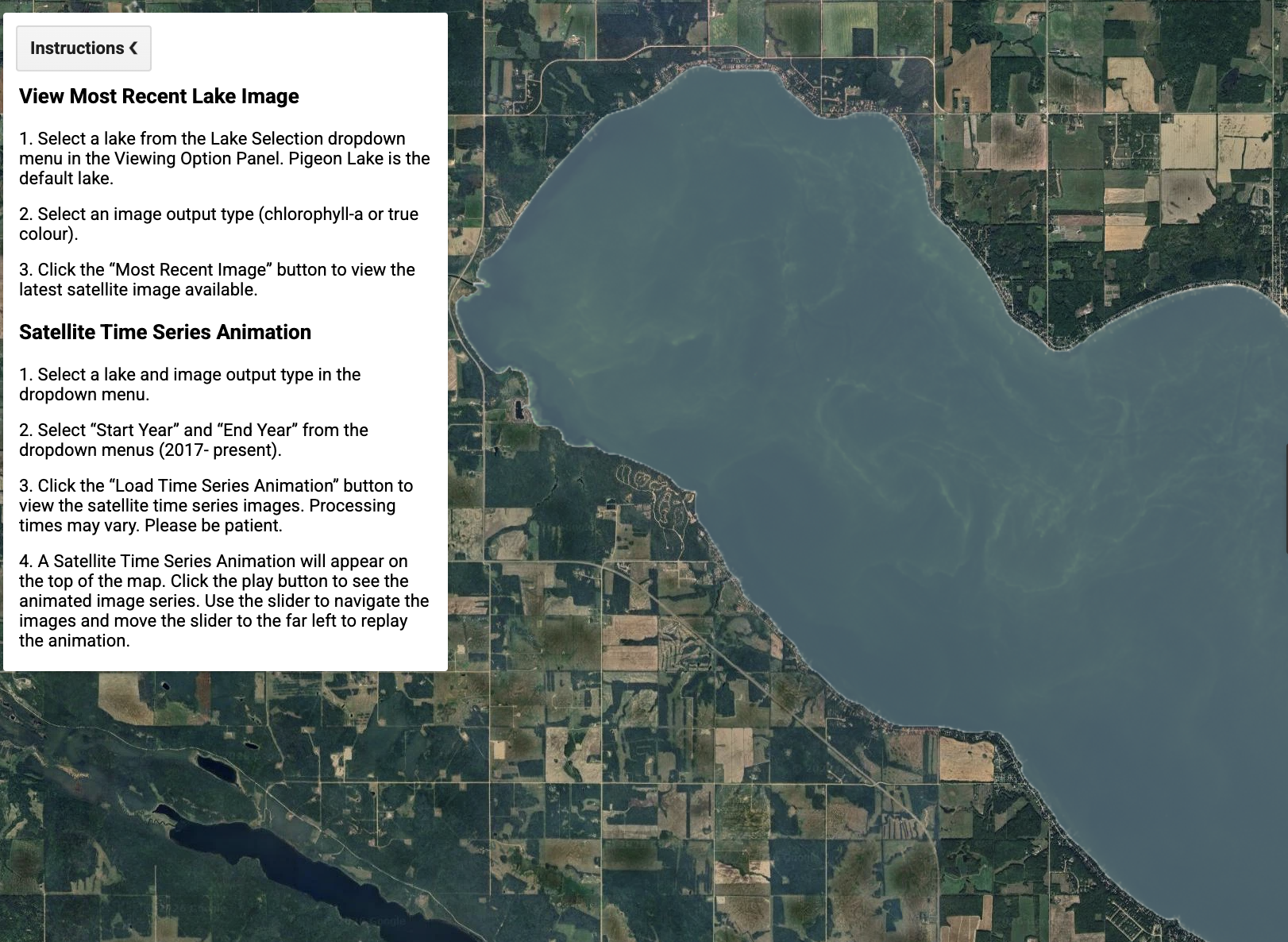
The algal bloom tracker uses sentinel-2 satellite imaging, combined with years of research correlating satellite findings to water samples to provide near real-time chlorophyll-a levels (a pigment found in algae). The algal bloom tracker updates every few days as new satellite images become available, and can be used for Ethel Lake, Lac La Biche, Sylvan Lake, Nakamun Lake, Pigeon Lake, and Wabamun Lake. Note that when white patches are seen over the lake, this indicates clouds obscuring the satellite image.
Hanington Lab - eDNA Project
PLWA has partnered with Patrick Hanington at the University of Alberta to conduct a project using environmental DNA to identify species at Pigeon Lake. Environmental DNA refers to the genetic material left behind in the environment by organisms, through saliva, feces, or issue. The environment DNA (or eDNA) is collected through water sampling and tested using DNA sequencing techniques or qPCR to identify the species that have left this material behind. This research can have very important applications beyond just telling us what species are found in Pigeon Lake! This information can be used for a variety of purposes:
Knowing what species make up our lakes ecological communities (including what fish can be found here)
Screening for invasive species and assisting in detection if an invasive species was to be introduced to our waterbody
It can also be applied to cyanobacteria and determining what species might be present or what toxins are being produced
Fall Index Netting
Swimmersitch.info is a great resource with information about swimmer’s itch (cercarial dermatitis), as well as you can report cases of swimmer’s itch and the location to allow a map of cases to be created. This supports research done on swimmer’s itch and allows for trends in frequency or location severity to be analyzed. This website was created by the Hanington lab that works to identify the parasites causing swimmer’s itch through a technique called 16S Metabarcoding. PLWA has partnered with this research group to collect water samples and use this technique to identify what parasites are responsible for causing swimmer’s itch at Pigeon Lake, and help advise on strategies to reduce cases in the future!
Swimmer’s Itch
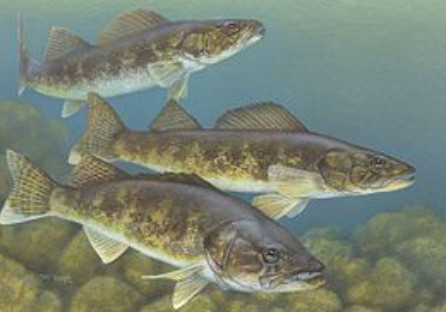
Fall index netting occurs each year in the fall to late summer to monitor fish populations, particularly Walleye and Northern Pike. While PLWA is not involved with this initiative, we feel it provides valuable information that may interest individuals who enjoy Pigeon Lake and its watershed. More information can be found at the Alberta Fall Index Netting Website.